Dhun
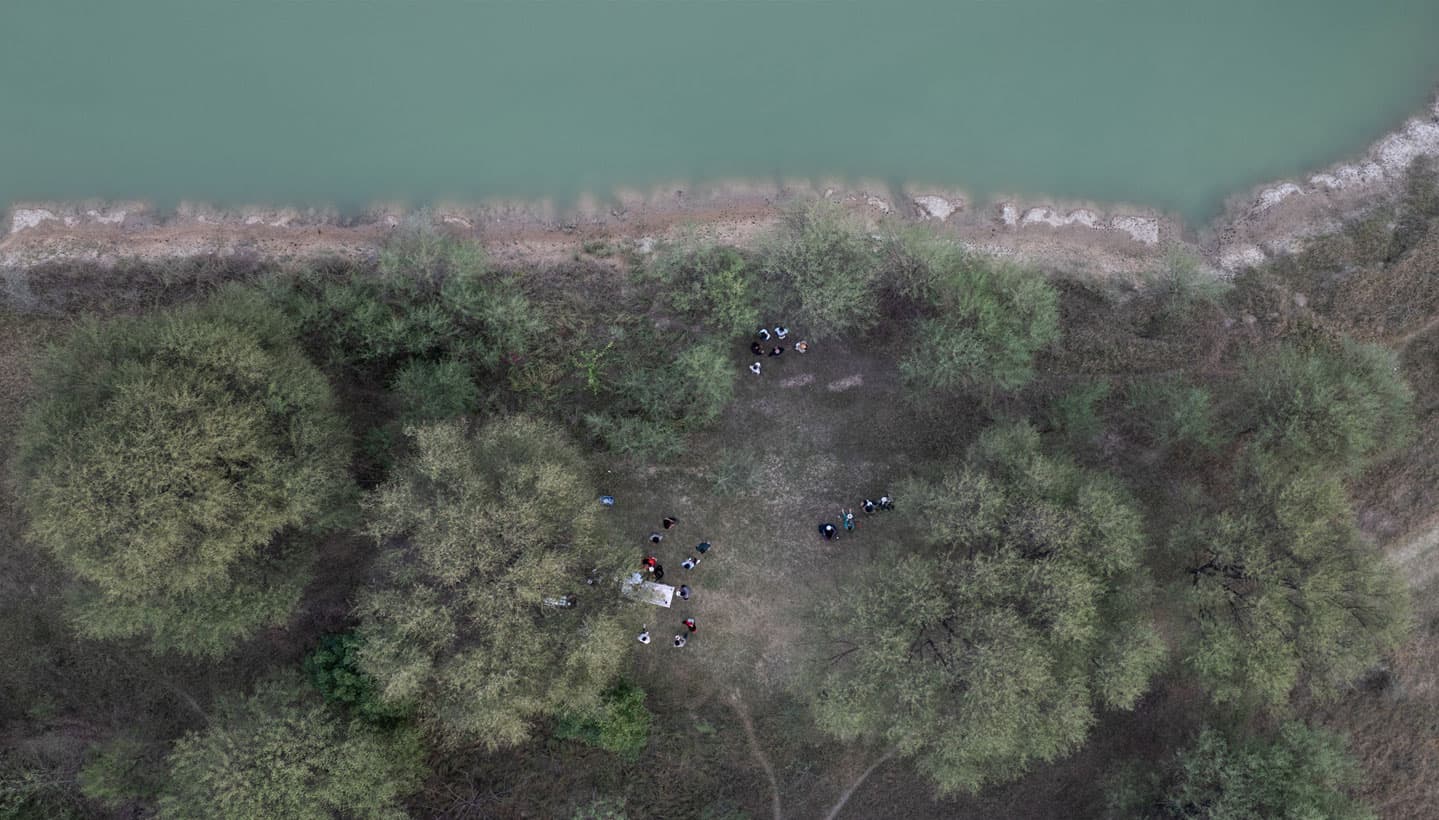
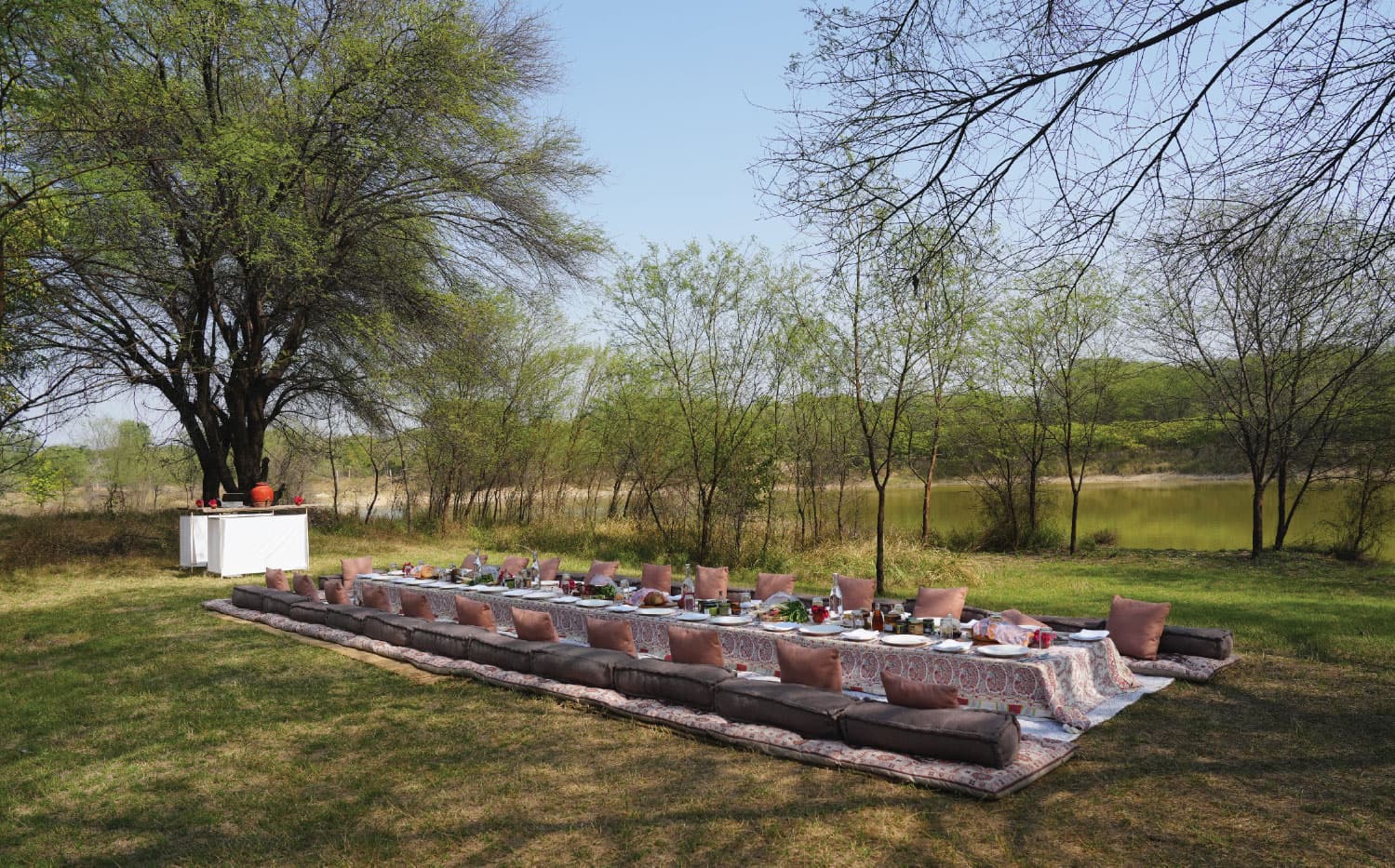
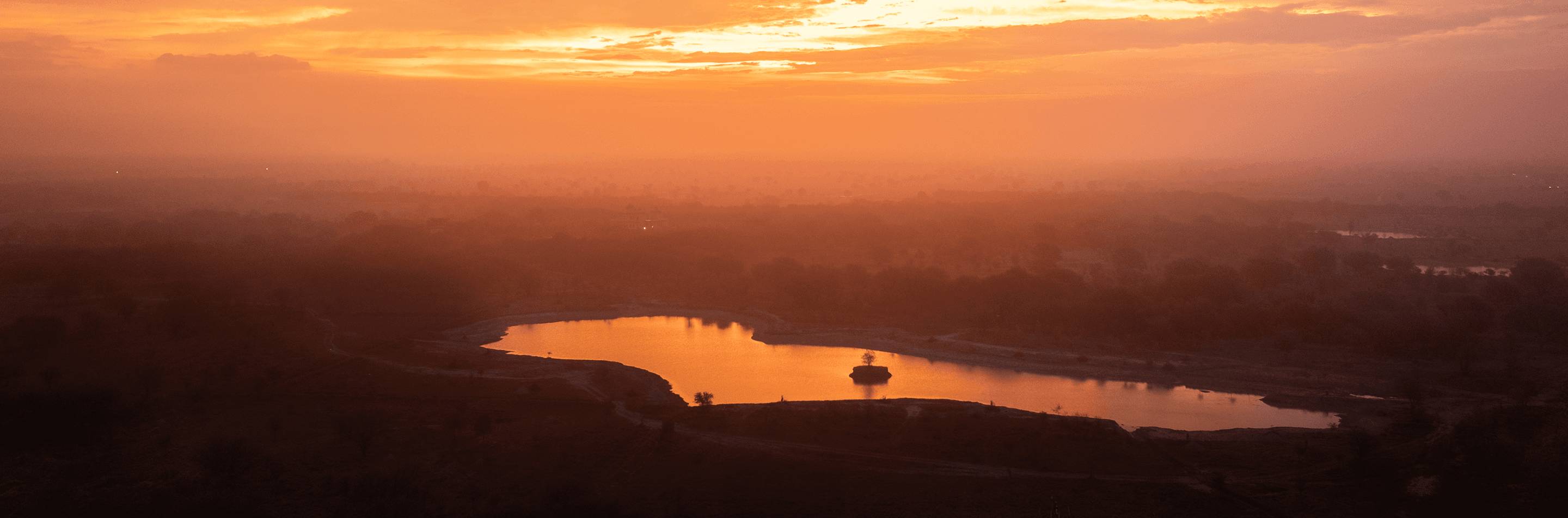
Water catchment surrounded by woodland at Dhun

FUTURE MANUAL 2.0

Online: January
Dhun, Jaipur: 1–5 February 2027

Every settlement begins with a question about water.

Where will it come from? How much is there? Who gets it? What happens when it runs out?

Future Manual 2.0 brings that question back to the centre of how we plan where people live.

WHY WATER FIRST?

रहिमन पानी राखिये, बिनु पानी सब सून।
पानी गए न ऊबरै, मोती, मानुष, चून॥

Keep water [safe], without which everything is barren. Pearls [also crops], humans, and lime [also wheat flour].

- Rahim, 16th century

You can plan a city without cars. You cannot plan one without water.

Water decides how many people a place can support, where it can grow, what it can grow, and how it feels to live there in the peak summer months. For most people, climate change arrives through water: drought, flood, heat, a tap that runs for an hour a day.

Why water first? — Future Manual at Dhun

WHY JAIPUR?

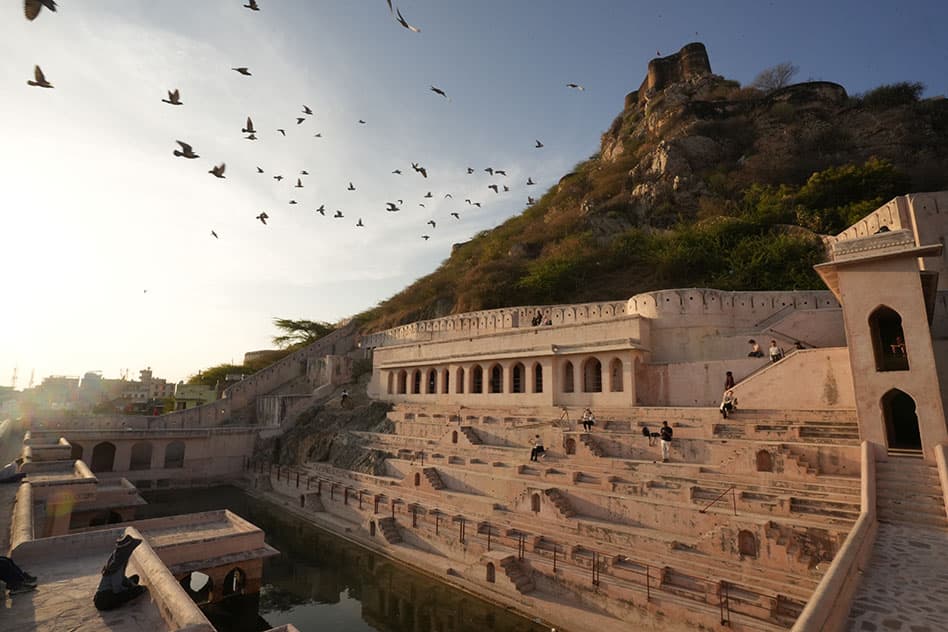
Rajasthan is India’s largest state, much of it arid or semi-arid. For centuries, its people have found ingenious ways to catch and conserve scarce rainfall through tankas, kunds, johads and stepwells, demonstrating how water management begins with the land.

Jaipur, founded in 1727 and turning 300 in 2027, was planned with an intricate system of channels and tanks supplying water to the walled city. As it grew, its water sources moved further away. Today, water is piped in from Bisalpur dam, some 120 km away.

As Jaipur prepares its Master Plan 2047, it offers a compelling case study for the challenges facing growing cities everywhere. Dhun places us on the ground, where we can study these questions firsthand and develop ideas that may travel far beyond Jaipur.

WHY DHUN?

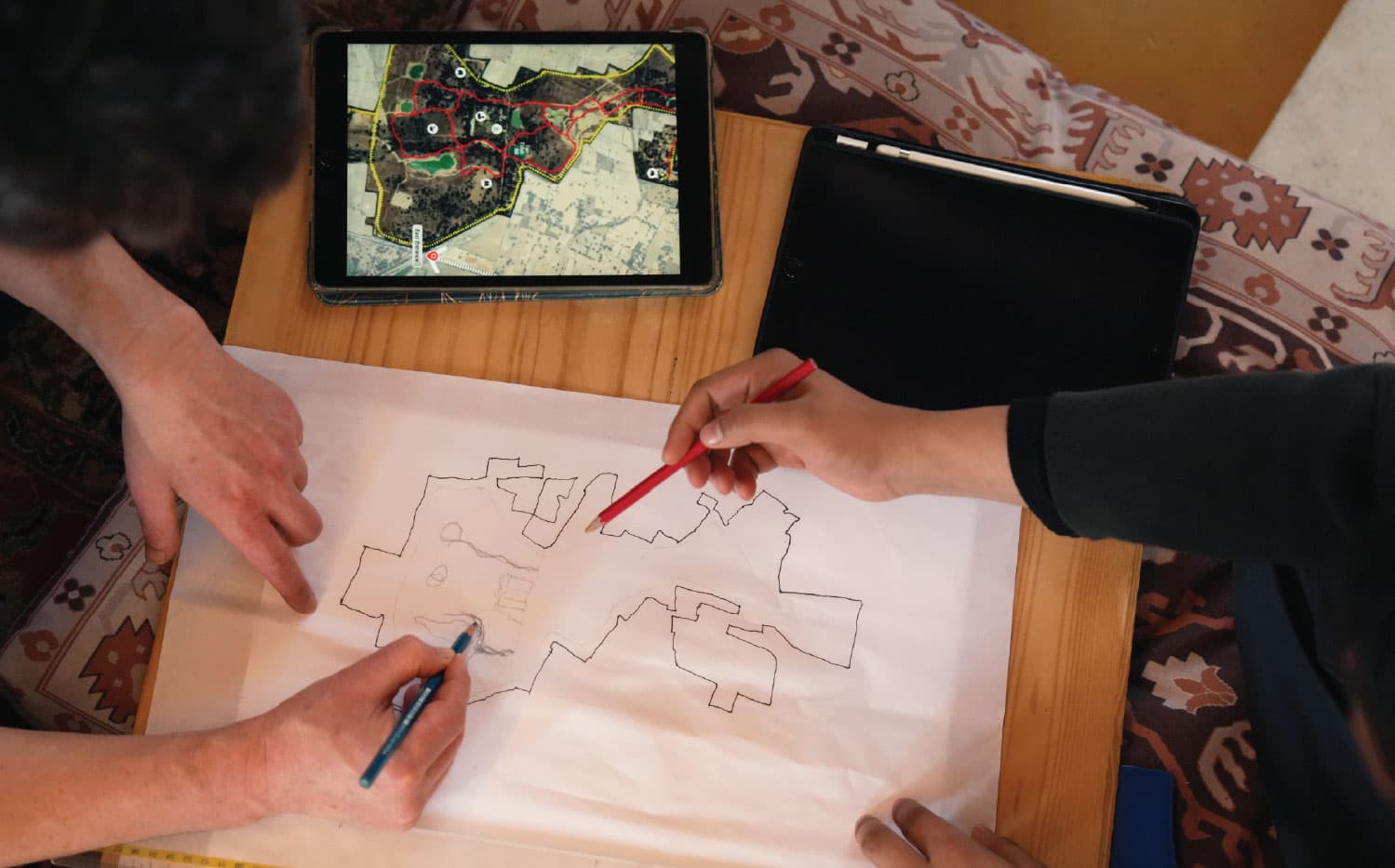
Dhun began with water. Before deciding how many people it could house, it mapped its catchment of 76 sq km, measured how much water the land could hold and recharge, and worked backwards to a population the place could support.

Most cities do the opposite. For five days, you live inside a place that tried the other way.

Why jaipur? — Future Manual at Dhun

THE QUESTION.

Future Manual 2.0 asks one central question: how should we plan a settlement around the water it has? We explore it through a set of connected questions:

How much water does a place receive, hold and recharge, and how many people can it support?

How should land be used, and what should cover it, so that rain sinks in and is stored instead of running off?

How can lakes, rivers and drains be revived, and how should a city meet their edges?

Where does a city’s water go, including the water hidden in its food, goods and energy?

What happens to waste water, and how can it be treated and used again?

How much water do farms, animals and ecosystems need?

Who makes decisions about water, and how could rules, plans and governance change?

How do habits and culture around water change, and how do we tell this story to everyone?

Each participant takes up one or more of these questions, alone or with others, at the scale that suits them: a household, a street, a lakefront, a neighbourhood, the city or the region. Because the questions are connected, the work is too. A design for a lake edge needs the numbers behind it. A policy needs a drawing that shows what it would mean on the ground. A film can carry all of it to people who will never read a report.

The question — Future Manual at Dhun

WHO THIS IS FOR?

You don’t need a degree in planning or hydrology to understand why water matters, or to have a say in how we manage the resources around us. Everyone has a stake in the water we share, so everyone should have a say in how it is planned.

That is why we are looking for architects, planners and urban designers, and just as much for engineers, hydrologists, ecologists, farmers, historians, lawyers, policy and advocacy workers, economists, tourism professionals, graphic designers, filmmakers, writers, artists and engaged citizens. Students and early-career professionals are as welcome as people with decades of practice.

If you look at the place you live and think it could be planned better, and you are ready to put in the work from January to February, this is for you. In the application we ask one thing above all: what will you bring?

Who this is for? — Future Manual at Dhun

KEY DATES

17 November – 12 December 2026 | ApplicationsEarly-bird fee applicable till 30th November. Applications close on 12 December.

23 December 2026 | SelectionSelected participants receive a reading list and meet their mentors from Dhun, The King’s Foundation and Earthna.

January 2027 | Online SessionsThe cohort meets, shares ideas and decides who will work on which questions. Reading and early research begin here, so the days at Dhun can focus on doing.

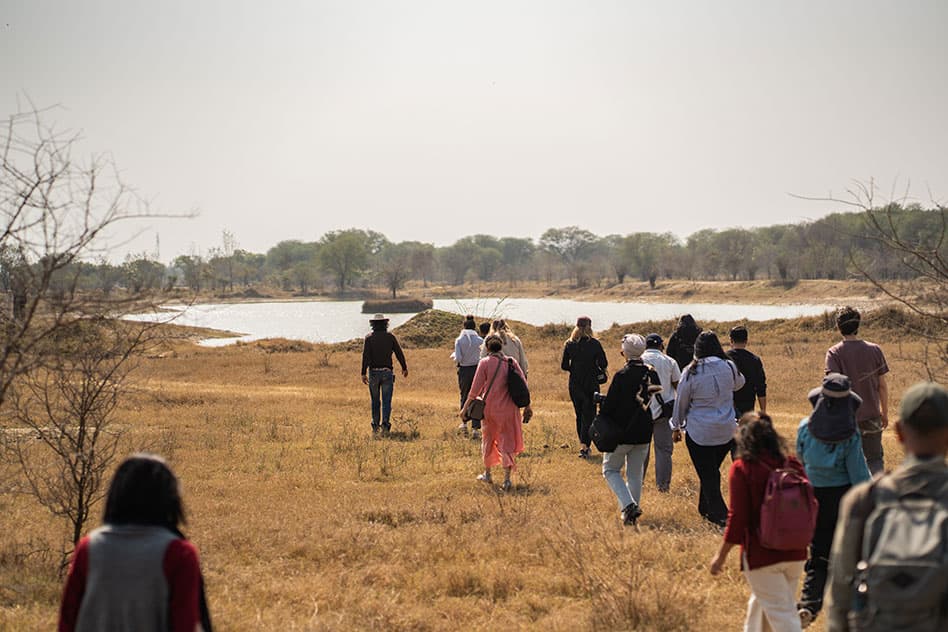
1–5 February 2027 | Five Days at DhunWalk Dhun’s catchment, learn from experts and explore sites around Jaipur to observe, measure, sketch and engage with local communities.

5 February 2027 | Demo DayPresent proposals to invited experts, practitioners and decision-makers.

19 February 2027 | Final ProposalsParticipants complete their proposals remotely. These are published together as the next chapter of Future Manual, with credit to each author, and shared with people in a position to act on them.

Key dates — Future Manual at Dhun

WHAT YOU TAKE AWAY

Learn by DoingStep beyond theory and work with real landscapes, real communities and real challenges. Learn from experts, exchange knowledge across disciplines and explore how ideas can become practical solutions.

Contribute to Something LargerHelp write a chapter of the Future Manual. Your research and proposals will be published under your name, becoming part of a growing body of work that explores how we might build and live in the future.

Find Your PeopleSpend five days living, learning and working alongside people from different countries, disciplines and walks of life. Share perspectives, challenge assumptions and form connections that extend well beyond your time at Dhun.

Take Your Ideas FurtherPresent your work to practitioners, experts and decision-makers who can offer fresh perspectives and potentially take your proposals forward. Become part of a growing international network through Dhun, The King’s Foundation and Earthna.

What you take away — Future Manual at Dhun

THE NITTY-GRITTY

When & Where?1–5 February 2027 at Dhun, Jaipur. Arrive by lunchtime on 1 February and depart on the evening of 5 February.

Living at Dhun Stay in shared glamping tents, accommodating up to six participants each, with meals prepared largely using produce from Dhun’s farm.

Programme Fee INR 80,000 per participant, inclusive of accommodation, all meals and site visits. Travel to and from Dhun is additional.

Early-Bird FeeINR 75,000 for applications received by 30 November 2026.

Your CommitmentParticipate in the online sessions in January, spend all five days at Dhun and submit your final proposal by 19 February 2027.

The nitty-gritty — Future Manual at Dhun

We review applications as they arrive and may offer places before the closing date.
Apply early for the best chance of a place.
For any queries, reach out to us at
future-manual@dhun.life

MENTORS

AKANKSHA MODI

AKANKSHA MODI

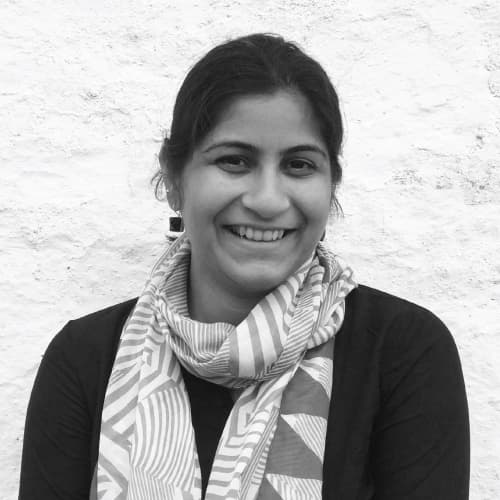
An urban planner, architect and former academic whose fascination with Rajasthan’s forgotten stepwells has grown into a conservation mission. Over the past three and a half years, she has independently mapped nearly 647 stepwells and documented over 200 endangered traditional water-harvesting structures.

Through community clean-up drives, heritage walks and her year-long campaign, Jalmay, she works to revive these historic water systems, raise awareness and empower local communities through conservation, restoration and heritage tourism.
GAURAV SHOREY

GAURAV SHOREY

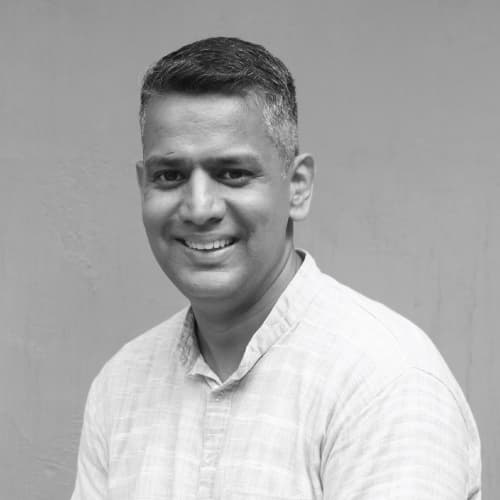
With two decades of experience in sustainability, he explores what he describes as ‘fake green’ and ‘deep green’ approaches. Through his company, Psi Energy, he works on green buildings, passive architectural design, energy efficiency, renewable energy and water optimisation in India and overseas.

Through his NGO, Swaraj, he explores the relationship between hyper-local cultures, climate and indigenous practices of sustainability, working with educational institutions to integrate this understanding into learning. He also teaches at the School of Planning and Architecture, New Delhi.

Photo courtesy: Nitin Bhaskar
LAXMAN SINGH

LAXMAN SINGH

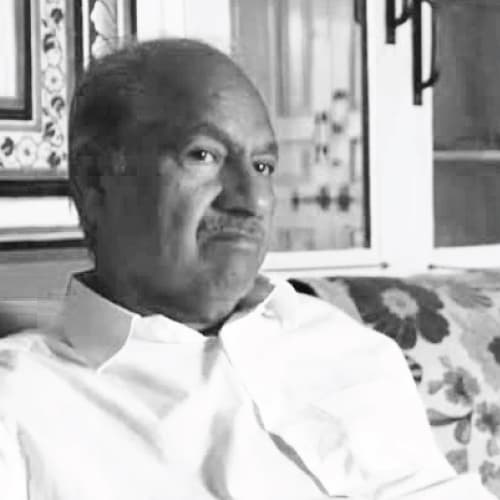
A Padma Shri awardee, water conservationist and social activist from Lapodiya, Rajasthan, he has spent decades transforming drought-prone landscapes through indigenous water-harvesting practices and community participation.

He pioneered the Chauka system, an innovative, low-cost method of capturing monsoon runoff, recharging groundwater and restoring degraded grazing lands. Through his non-profit, Gram Vikas Nav Yuvak Mandal Lapodiya (GVNML), he has extended this model of ecological regeneration to over 200 villages across Rajasthan, improving livelihoods for more than 350,000 people.

MAUREEN CERTAIN

MAUREEN CERTAIN

An architect, researcher and Associate Professor at the École Nationale Supérieure d’Architecture de Toulouse, she is the founder of an architectural practice specialising in built and urban heritage.

Her doctoral research, undertaken jointly with ENSA Toulouse and CEPT University, Ahmedabad, examined Jaipur’s traditional water infrastructure and its role in shaping the city’s urban development. Through fieldwork and mapping, she explores the relationships between water, landscape and urban form, and how historic water management systems can inform the future planning of water-stressed cities.
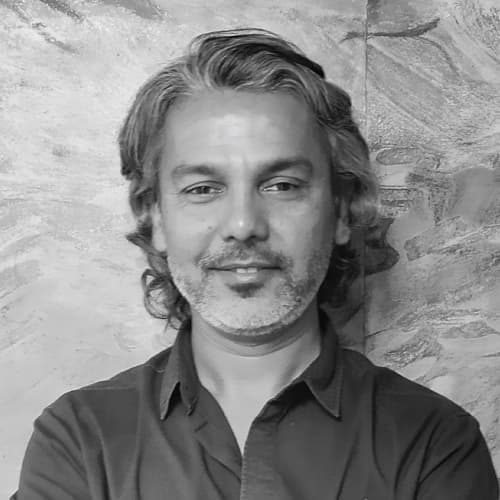
PRATYUSH SHANKAR

PRATYUSH SHANKAR

Provost of Navrachana University, Vadodara, and Professor and Dean of its School of Architecture and Design, he brings together architectural practice, teaching and urban research.

His work explores the historical evolution of cities, public spaces and the relationship between nature and urban resilience. His publications include History of Urban Form of India and Himalayan Cities. A practising architect and co-founder of Citylabs India, his work spans the arid landscapes of the Aravallis and the Himalayas, with a particular interest in water conservation and climate-responsive design.
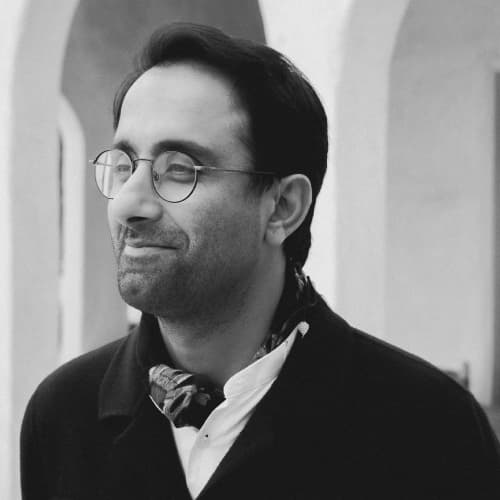
SAMIE KAYANI

SAMIE KAYANI

An architect at the Earthna Center for Sustainability in Doha, Qatar, his work focuses on sustainable regeneration, traditional architecture and urban development.

Having co-founded an architectural practice in London, his professional experience spans master planning in the Gulf region, the restoration of World Heritage monuments and cultural projects across the UK and Europe. His ongoing research and practice bring together environmental planning, traditional knowledge and urbanism, exploring the relevance of inherited architectural wisdom to contemporary challenges.
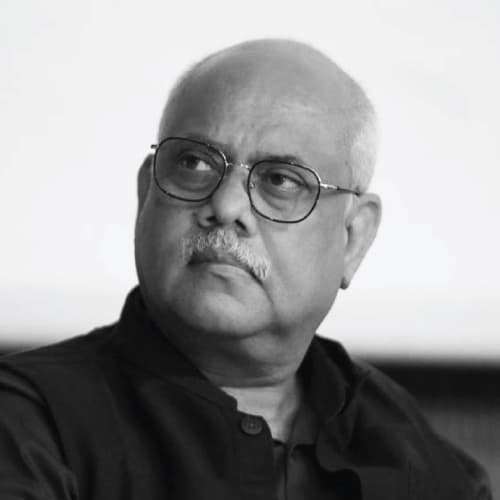
SANJEEV VIDYARTHI

SANJEEV VIDYARTHI

Provost of Anant National University, he is a scholar and institutional leader whose research explores urban design and planning across diverse contexts, from neighbourhoods and new towns to historic cities and metropolitan regions.

At the heart of his work lie two fundamental questions: why do we make plans, and how can we make better plans than those of the past? An accomplished author, he collaborates with scholars and practitioners worldwide while leading the development of design education at Anant.
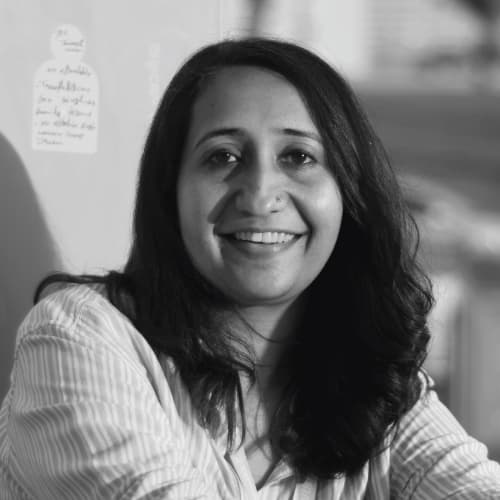
SWATI JANU

SWATI JANU

An architect and artist based in Delhi and Jaipur, she is the founder of Social Design Collaborative, an interdisciplinary studio working towards spatial justice and inclusion in the built environment through community-driven architecture, public art, policy advocacy and grassroots engagement.

She holds an MSc in Sustainable Urban Development from the University of Oxford. Her work has been exhibited internationally, and her recognitions include the 2022 Moira Gemmill Prize for Emerging Architecture and her studio’s 2021 Beazley Design of the Year Award.
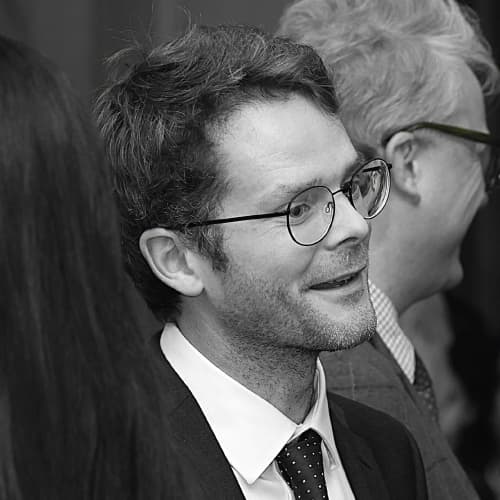
WILFRID MIDDLETON

WILFRID MIDDLETON

A Research Associate in Architecture and Urbanism at The King’s Foundation, he specialises in drawing lessons from vernacular practices to inform contemporary design. His doctoral research explored Meghalaya’s Khasi living root bridges, combining traditional knowledge with computational tools to develop regenerative design approaches that integrate living trees.

His current research spans vernacular building traditions across the world, from mangroves in Guyana and earthen construction in Sierra Leone to woodcarving in Tanzania and living banyan structures in Taiwan and Hong Kong.

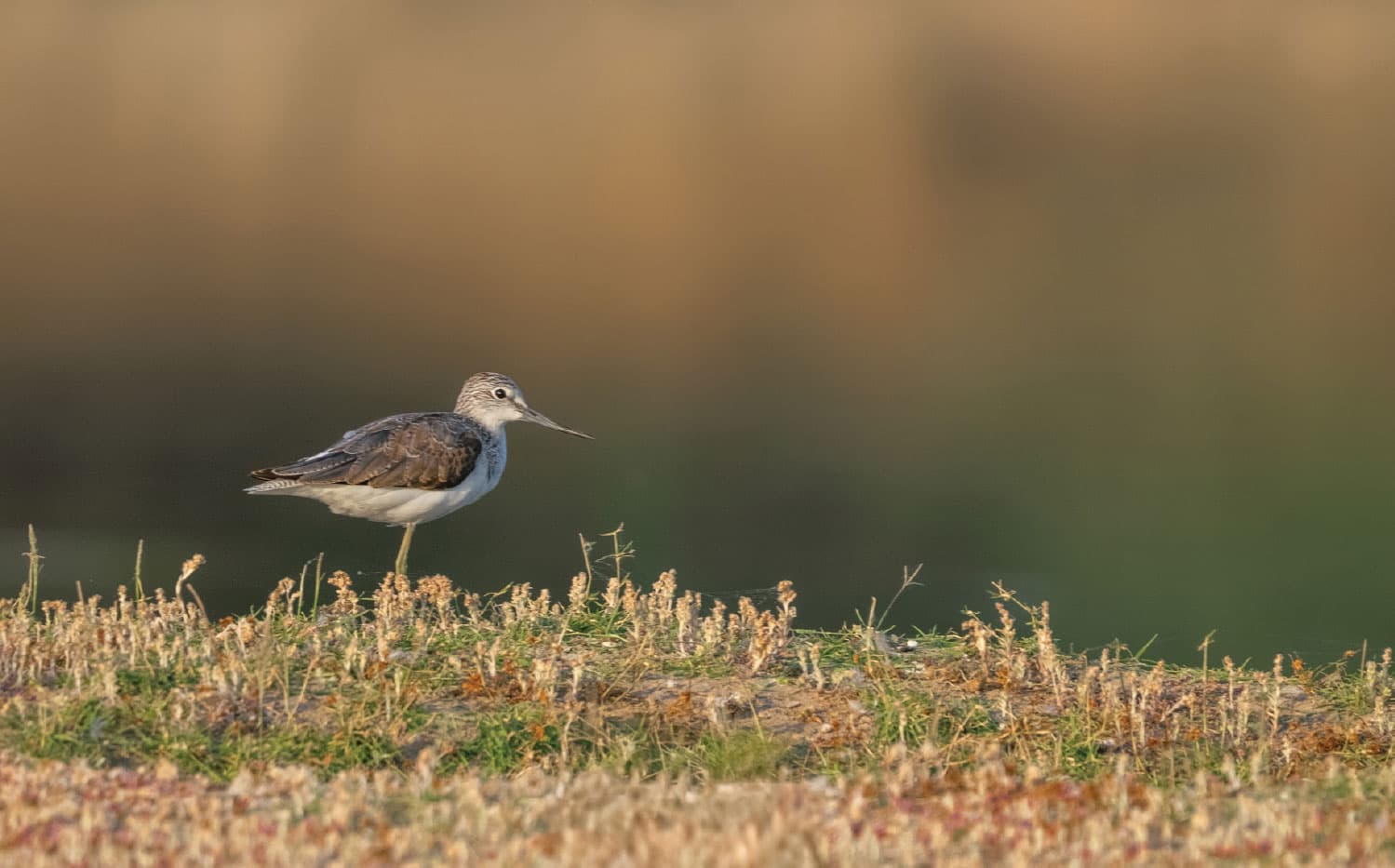
Birdlife in Dhun’s regenerated landscapeJOURNEY SO FAR