

Programming & Collaborations
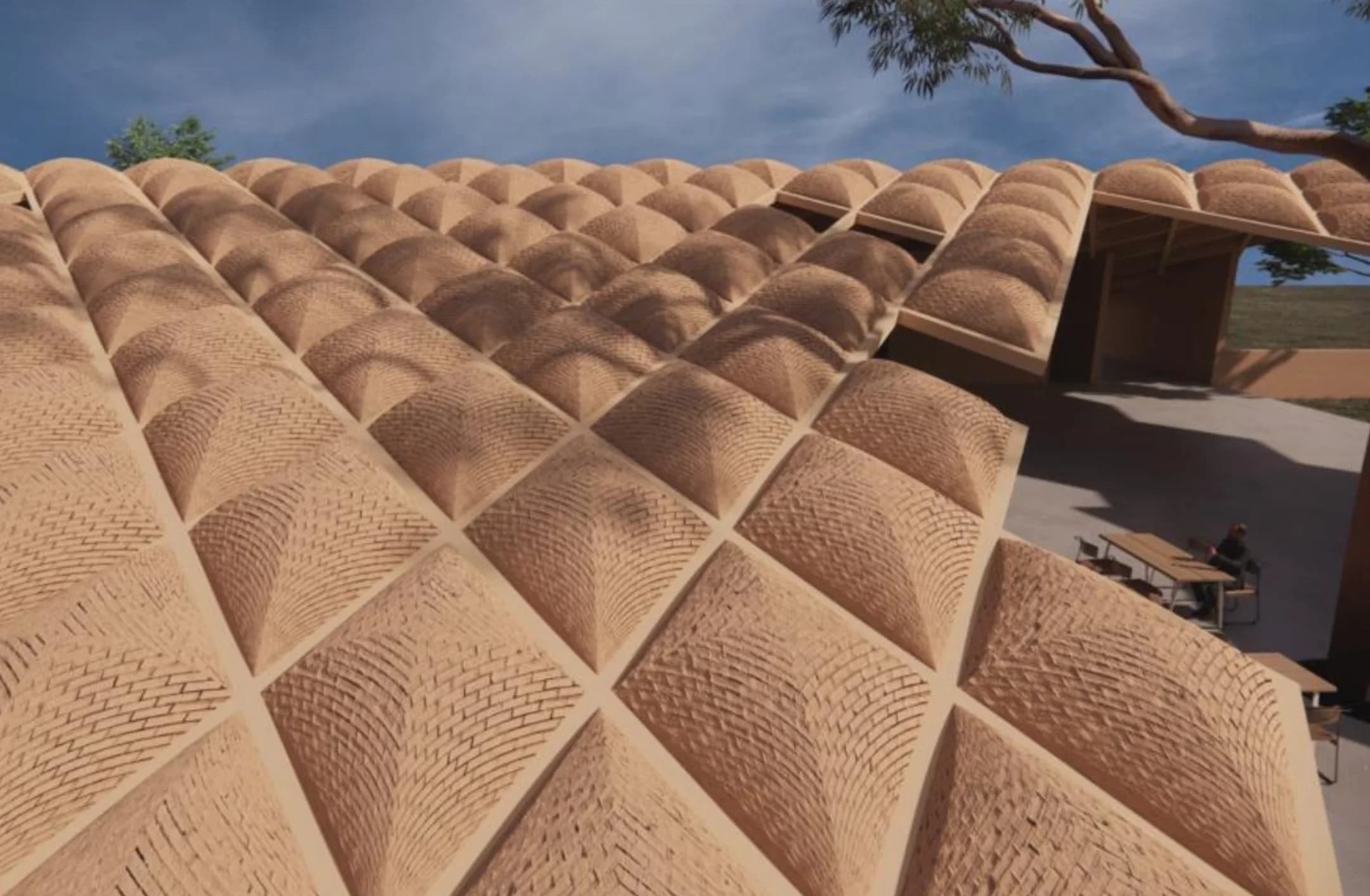
Future/Manual
Workshops developed in partnership with Earthna, Qatar Foundation, and The King’s Foundation translate sustainable construction research into hands-on practice. Learning is grounded in direct engagement with materials, climate, and site conditions.
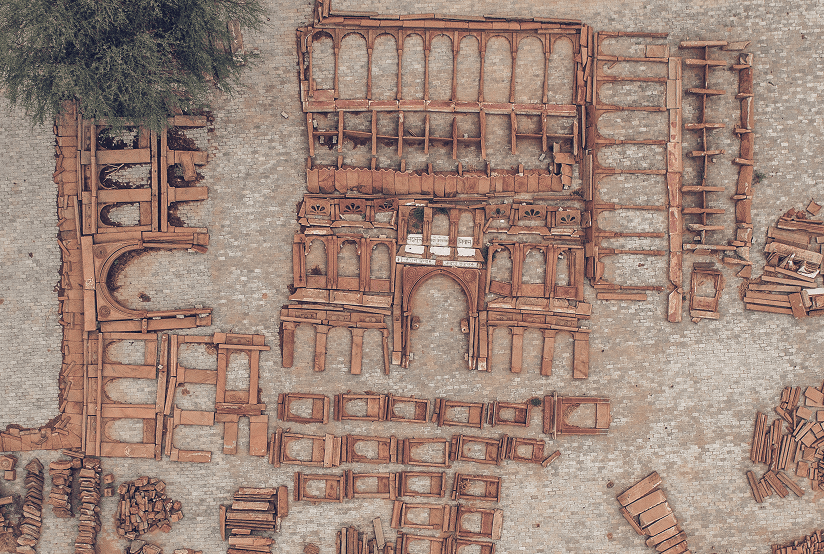
The Haveli Project
65+ historic havelis were documented before demolition through measured drawings and archival records. Salvaged elements are reused across Dhun as installations and learning references. Work was carried out with conservation architects including Saptarshi Sanyal, Priyanka Singh and Bhavesh Patel.
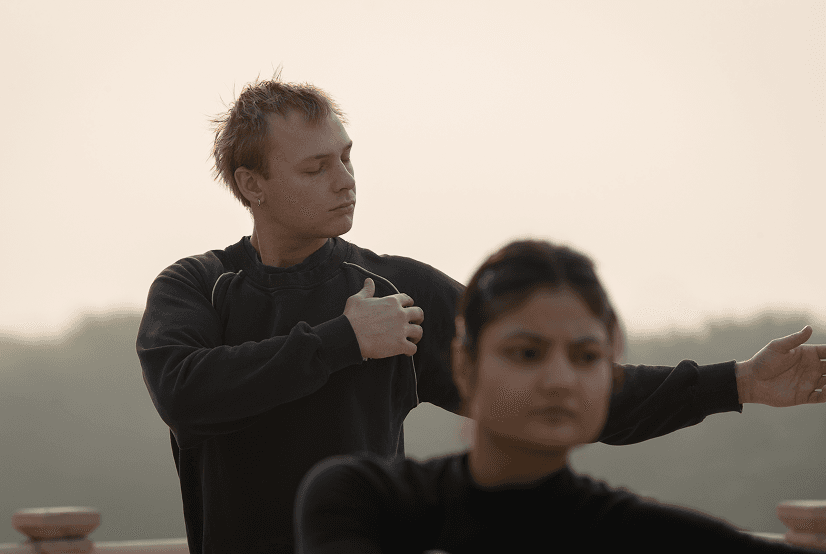
Wellness Programmes
Dhun hosts wellness programs in meditation, yoga, bodywork, and movement led by practitioners from across the world. Sessions are held within the bioreserve, where the landscape becomes part of the practice.
Sustainable Housing Challenge
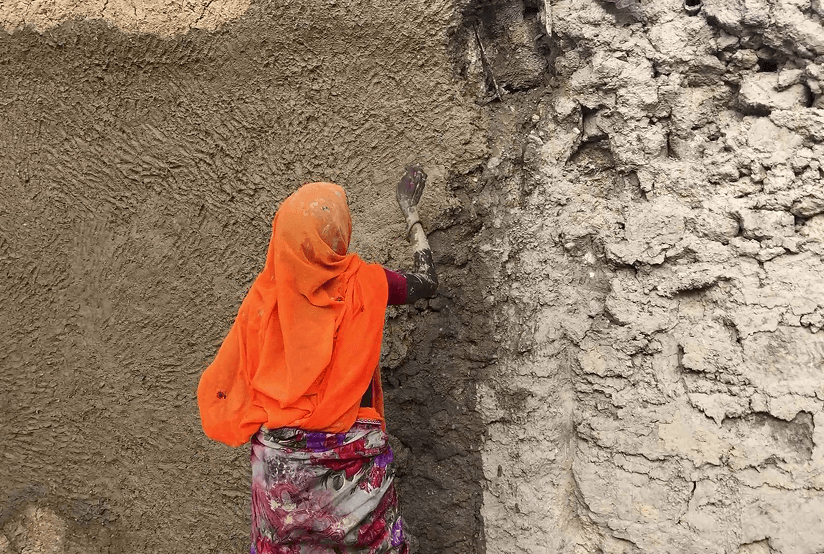
Hosted with Development Alternatives, the Alt Urban Housing Challenge invited global proposals for a peri-urban township near Jaipur. Submissions addressed housing density, climate response, affordability, and long-term livability.
Seasonal Outdoor Campus
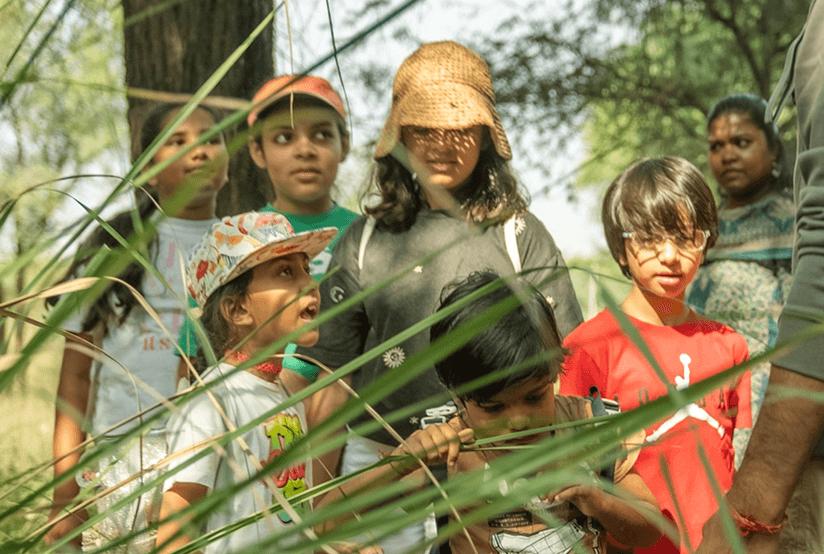
Programs with Wired by Worldview treat the site as a learning environment shaped by landscape and climate. Education combines observation, theory, and hands-on engagement rooted in place.
Digital Archive of Cultural Artefacts
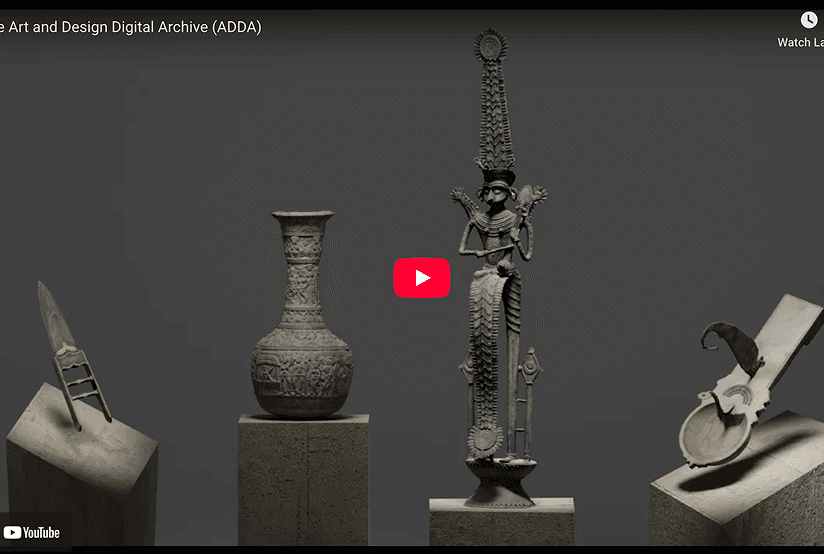
Digital archive of over 40,000 cultural objects from the Indian subcontinent, developed with the Asian Heritage Foundation and Rajeev Sethi. The archive maps traditional skills, tools, materials, and craft systems to support pedagogy, contemporary applications, and cultural continuity.
Architecture in Extreme Environments
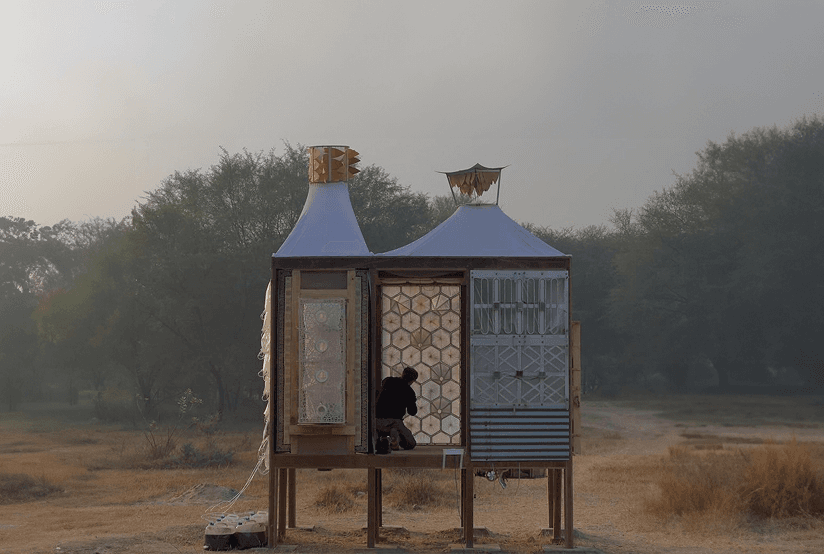
Masters students from the Royal Danish Academy developed experimental building prototypes at Dhun. Projects explored water capture, passive cooling, bio-materials, and adaptive facades. Prototypes were conceived abroad and tested on site with local input.
Craft Residencies and Exhibitions
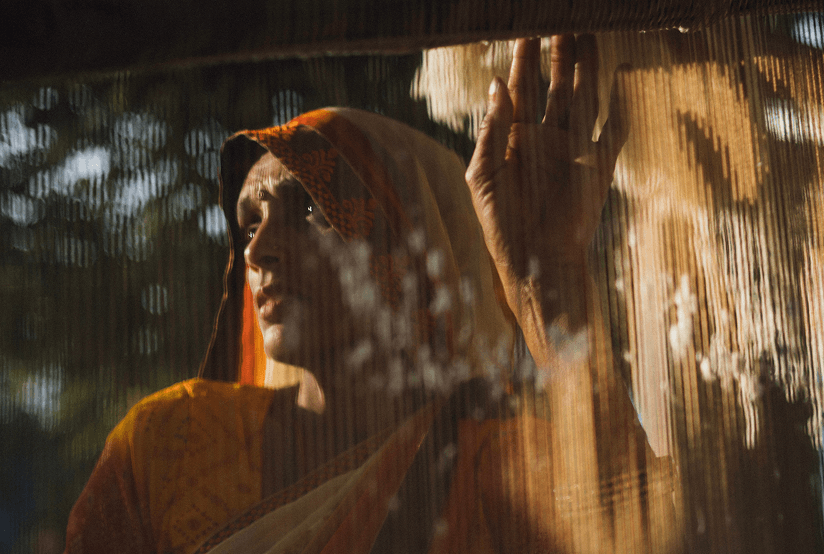
In collaboration with Jaipur Rugs, the Manchaha exhibition and weaver residencies support long-term engagement between artisans, designers, and audiences. Programs prioritise authorship, skill, and economic sustainability.
50 km Material Research
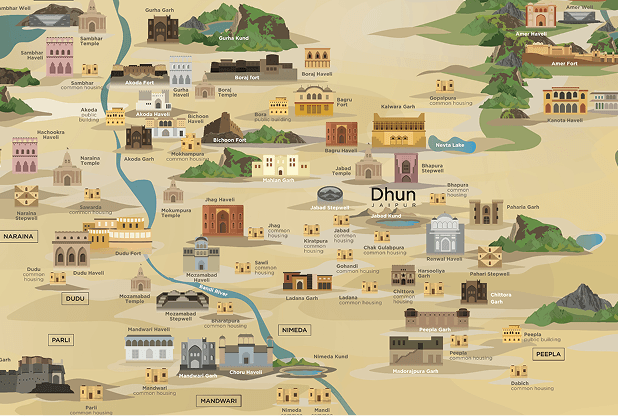
In collaboration with Windows to Vernacular, Dhun conducted material research within a 50 km regional radius. The work documents local materials, crafts, and construction practices through four detailed studies. Findings inform material selection and construction systems across the site.
Building with Earth
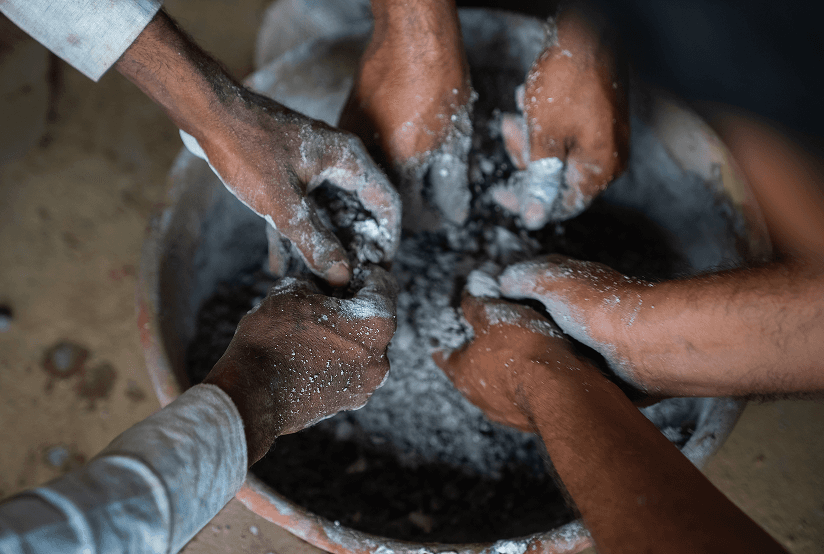
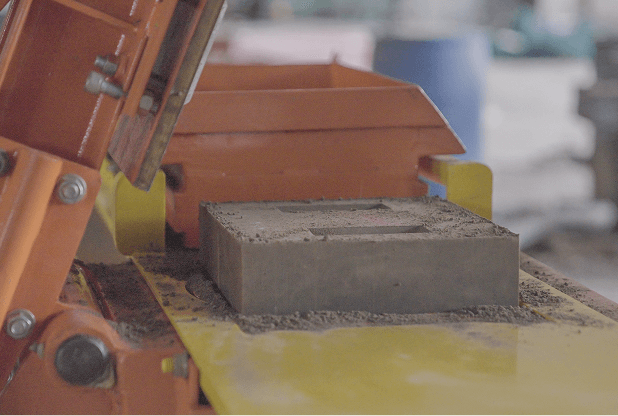
Earth construction research and on-site building were led by Wallmakers with Auroville Earth Institute. Adobe, stabilised earth blocks, lime plasters, and local waste stone were tested and deployed. Stabilised earth reduces embodied carbon by 70 to 80 percent compared to fired brick.
Dialogues at Dhun
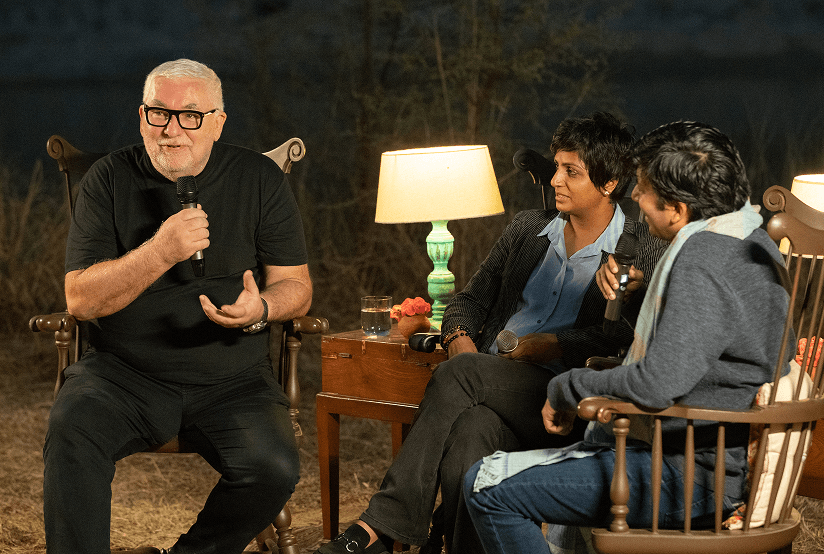
Dialogues at Dhun brings together system thinkers, designers, educators, farmers, and curators for conversations on livability, culture, longevity, wellbeing, and design. Sessions are held under the trees by the pond or virtually, fostering learning and collaboration through shared inquiry.
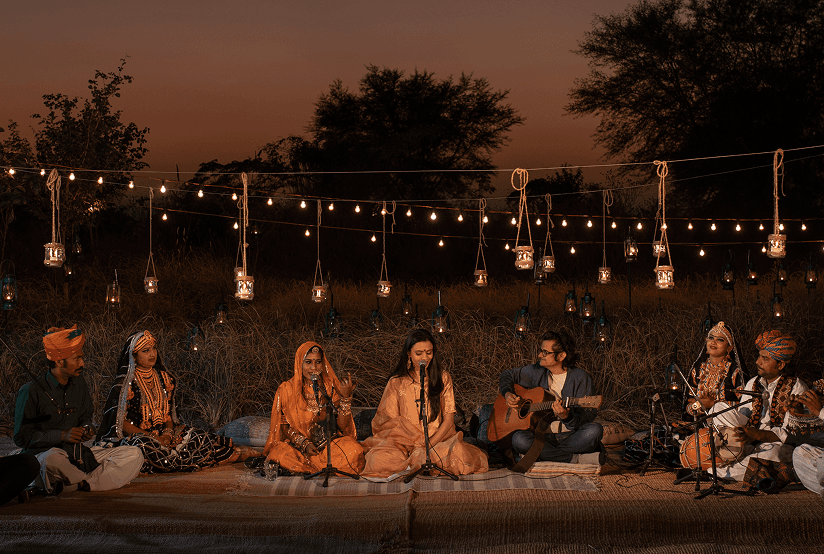
Creative Residencies
Dhun provides studio spaces, tools, and mentorship for artists working with place and community. Residencies with Maati Baani, Lea Lu, and Joi Barua have included performances, workshops, and collaborative projects that connect traditional knowledge with contemporary practice.
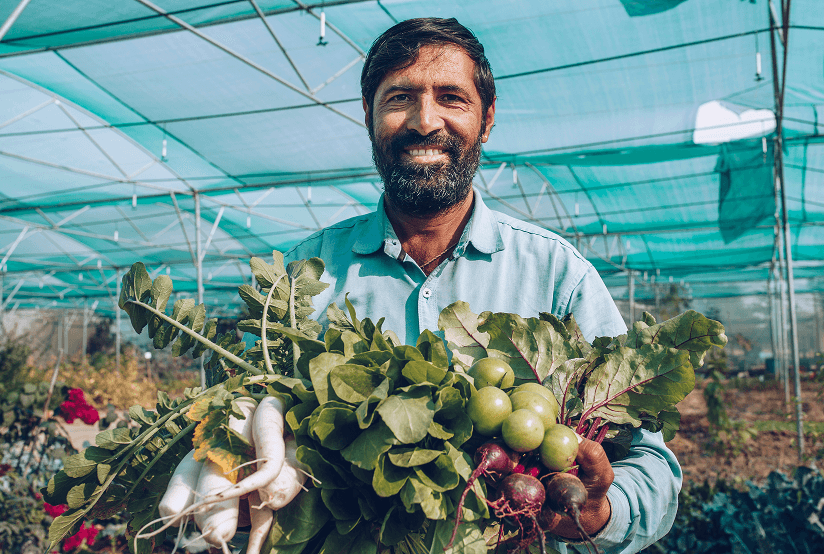
Documenting Regional Food Systems
In collaboration with regional farmers and micro-biologists, Dhun documents traditional recipes, cultivation practices, and the nutritional value of local ingredients. This work preserves knowledge of ancient grains and seasonal growing cycles, while informing low-impact, innovative food systems.
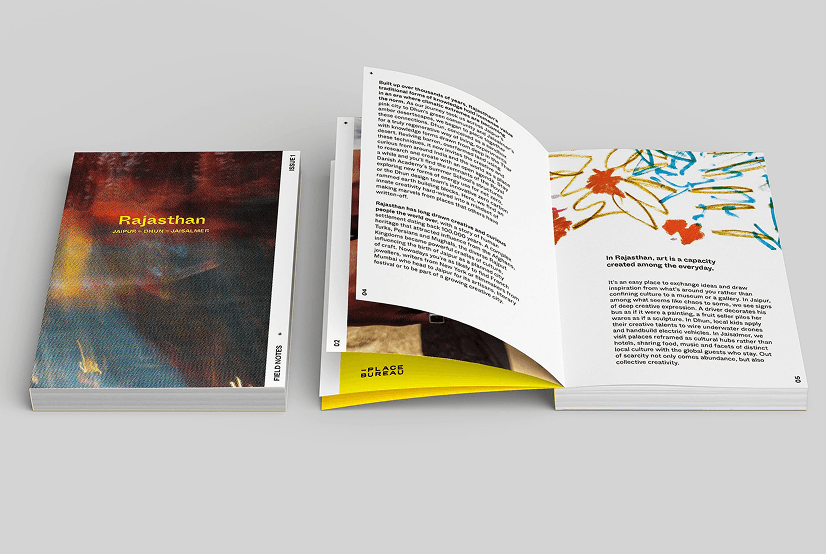
Field Notes Rajasthan
Field Notes 1: Rajasthan is a 310-page publication by The Place Bureau documenting rituals, materials, and everyday life across Jaipur, Dhun, the Thar desert, and Jaisalmer through field research and storytelling.
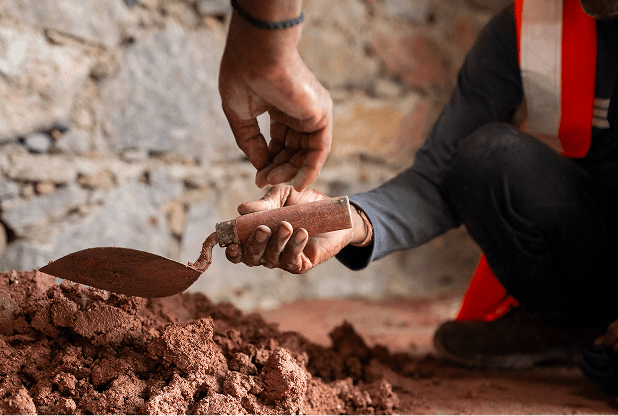
Applying Traditional Knowledge
Material prototyping with Mahija explores traditional construction techniques using local resources. The work adapts regional knowledge systems to contemporary climatic and functional needs. Prototypes test durability, thermal performance, and constructability.
All research, methodologies, and materials developed at Dhun are completely open-sourced. For access to any project documentation, please get in touch.
